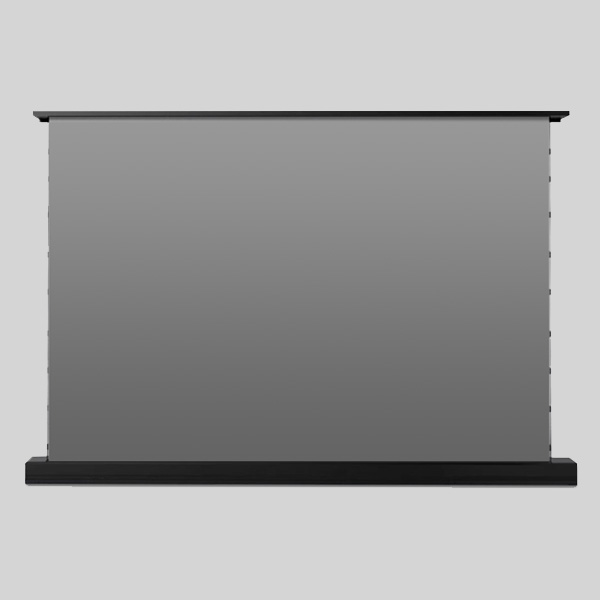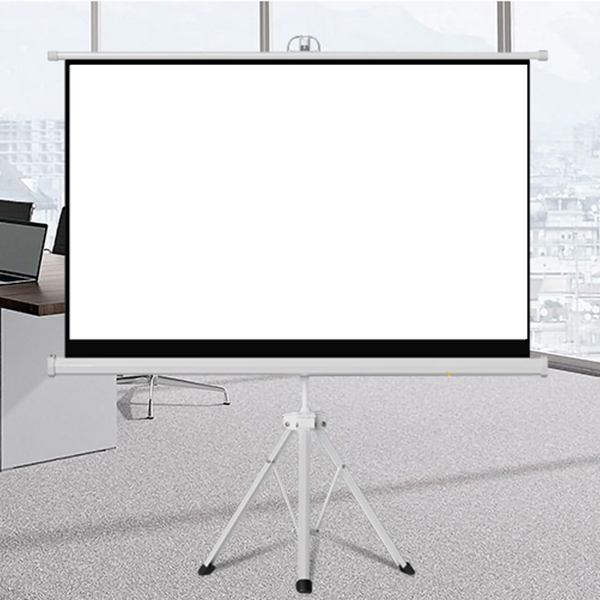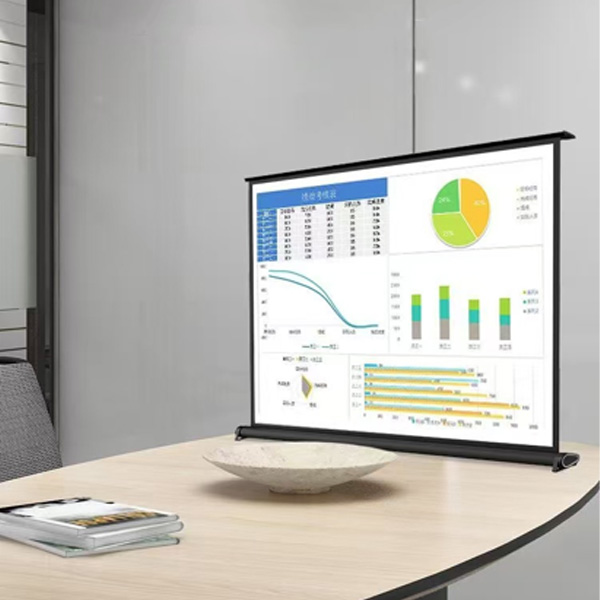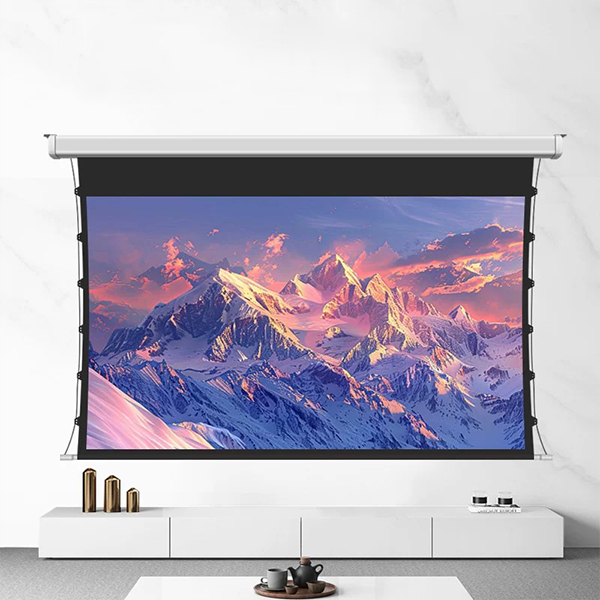

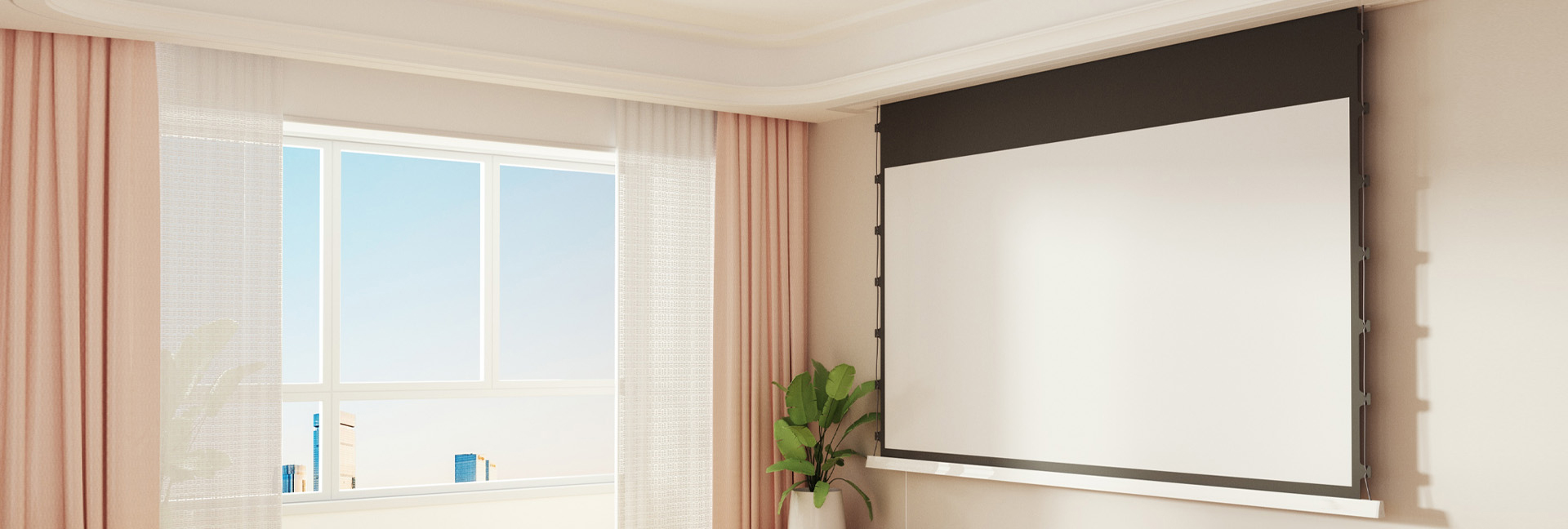
Projection screens are core supporting components of the projection display system. They receive images projected by projectors and optimize brightness, contrast, color uniformity and viewing angle via diverse optical structures, so as to deliver clear and comfortable visuals. They are widely adopted in home theater, office meeting, education, cinema, exhibition hall, outdoor cultural tourism and commercial display scenarios.
By form factor, mainstream products include electric screens, pull-down screens, fixed-frame screens, floor-rising screens, portable folding screens, curved screens and rigid engineering screens. By optical material, common types are white PVC screens, fiberglass screens, metal screens, ambient light rejecting (ALR) screens, Fresnel screens and acoustically transparent screens. Different materials match different projection light sources (laser, lamp, LED projector) and ambient light conditions. For example, ALR screens are designed for bright environments to suppress ambient light interference; acoustically transparent screens allow speakers to be placed behind the screen for immersive cinema experience.
The upstream sector consists of suppliers of raw materials and components such as PVC base film, fiberglass yarn, optical coating, motors, aluminum profiles and control modules. The midstream covers screen manufacturing, optical formula R&D, product assembly and brand operators. Downstream channels include e-commerce platforms, offline audio-video dealers, system integrators, engineering contractors, government & enterprise procurement and home decoration channels.
Driven by the popularization of home laser TVs and short-throw projectors, the home segment has achieved robust growth. On the commercial side, smart classrooms, video conference rooms, exhibition halls and immersive cultural tourism projects continuously fuel the demand for engineering screens. Key industry trends include optical material iteration, lightweight design, intelligent motorization (voice control, projector linkage, auto-lifting), narrow-bezel aesthetic design and larger screen sizes.
In terms of entry barriers, basic projection screen manufacturing has low thresholds with a large number of small and medium manufacturers, resulting in severe homogeneous competition. High-end optical screens (Fresnel and premium ALR rigid screens) have high R&D barriers in optics with higher gross margins. The whole market is polarized: low-end products compete mainly on price, while high-end products gain premium through optical technology, quality control and brand services.