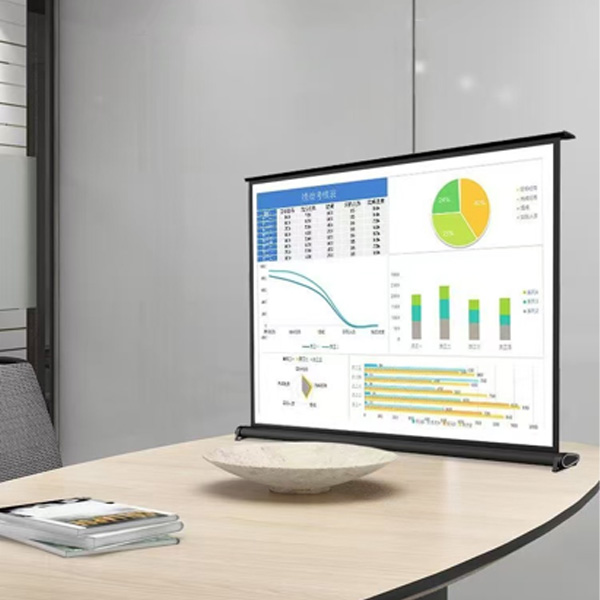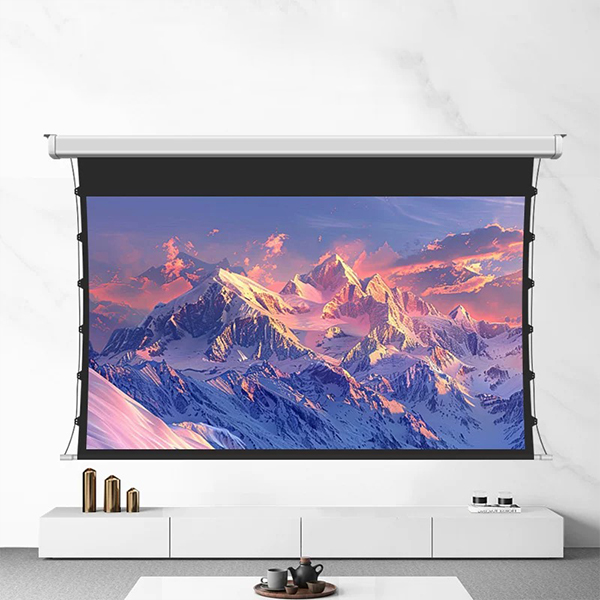


Whether engineering projection screens are a necessary tool in modern architectural visualization requires analysis from three dimensions: technological approach, expressive objectives, and project phases, rather than a simple conclusion.
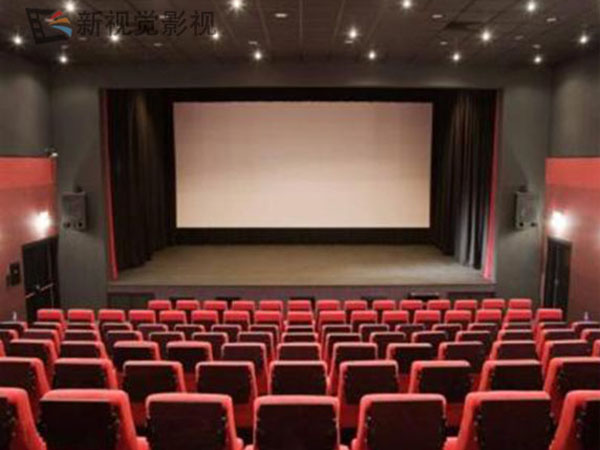
Firstly, looking at the development of architectural visualization, the means of presentation have evolved from hand-drawn perspective views and physical sand tables to 3D modeling and real-time rendering, and then to immersive displays. In recent years, engineering projection screens, combining high-resolution projection systems, LED display technology, and digital content production, have been commonly used in sales centers, planning exhibition halls, and large-scale project launch events. It presents the building volume, spatial sequence and urban interface in a dynamic form through large-scale image output, allowing the audience to gain an overall understanding in a short period of time. This display method does indeed possess strong communication efficiency and visual impact in scenarios such as commercial real estate promotions and urban renewal project presentations.
However, from a professional technical perspective, engineering projection screens are essentially just a carrier, not the core of architectural visualization. The true foundation of visualization lies in 3D modeling software, rendering engines, BIM systems, and post-processing of images. Whether using tools like Autodesk Revit for information modeling, Lumion for rapid rendering, or Unreal Engine for real-time walkthroughs, the quality of the content itself depends on data accuracy, material logic, lighting algorithms, and animation narrative structure. Engineering screens are merely one way to amplify and present these digital achievements. In other words, without a solid foundation in model making and video production capabilities, even the most advanced screen equipment cannot compensate for deficiencies in content.
In practical applications, whether or not to use engineering curtains depends on the project objectives. For example, government planning announcements emphasize the accuracy of information and the expression of drawings, so two-dimensional boards and electronic screens can meet the needs; high-end residential or commercial complex projects focus more on creating a mood and brand image, so immersive large screen systems are more attractive; and in the architectural design review process, interactive models or VR headsets are often more valuable for analysis than one-way large screens. Therefore, engineering screens are not irreplaceable but rather a strategic choice among many presentation methods.
Furthermore, cost structure and spatial constraints should be considered. Large curved screens, folding screen systems, or immersive panoramic spaces all require a certain level of investment in design, construction, commissioning, and post-construction maintenance. For small to medium-sized projects, using high-quality displays or multi-screen splicing solutions may be more reasonable. From the perspective of cost-benefit ratio, whether to use engineering curtains should be based on a comprehensive assessment of the target audience size, display period, and dissemination scope.
Looking at future trends, architectural visualization is extending towards real-time interaction, data visualization and analysis, and virtual collaboration. With the improvement of hardware performance and the popularization of cloud rendering technology, content can be seamlessly switched between multiple terminals. Engineering backdrops will still have a place in large exhibition spaces, but their role may be more focused on scene construction and atmosphere creation rather than being the sole core of the exhibition.
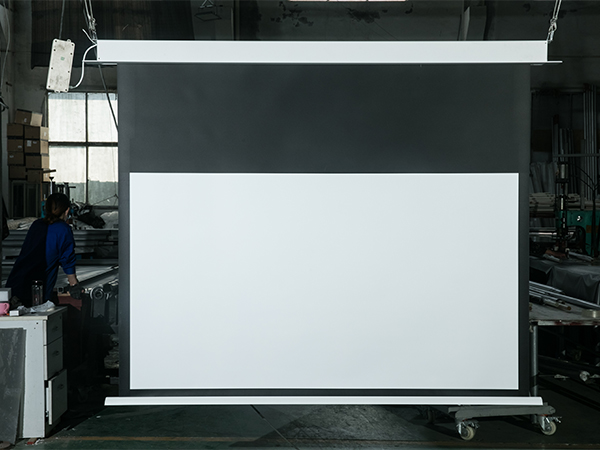
In conclusion, engineering curtains are not absolutely necessary for modern architectural visualization. It can enhance visual expression and information dissemination in specific scenarios, but the key to determining the quality of visualization is still the ability to create content and integrate technology. The appropriate choice of display method should be based on project positioning, audience needs, and budget structure, rather than treating a certain piece of equipment as an indispensable standard configuration.