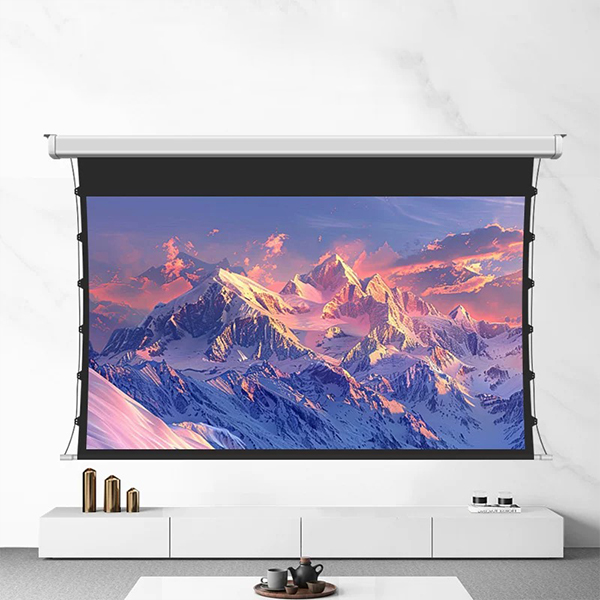

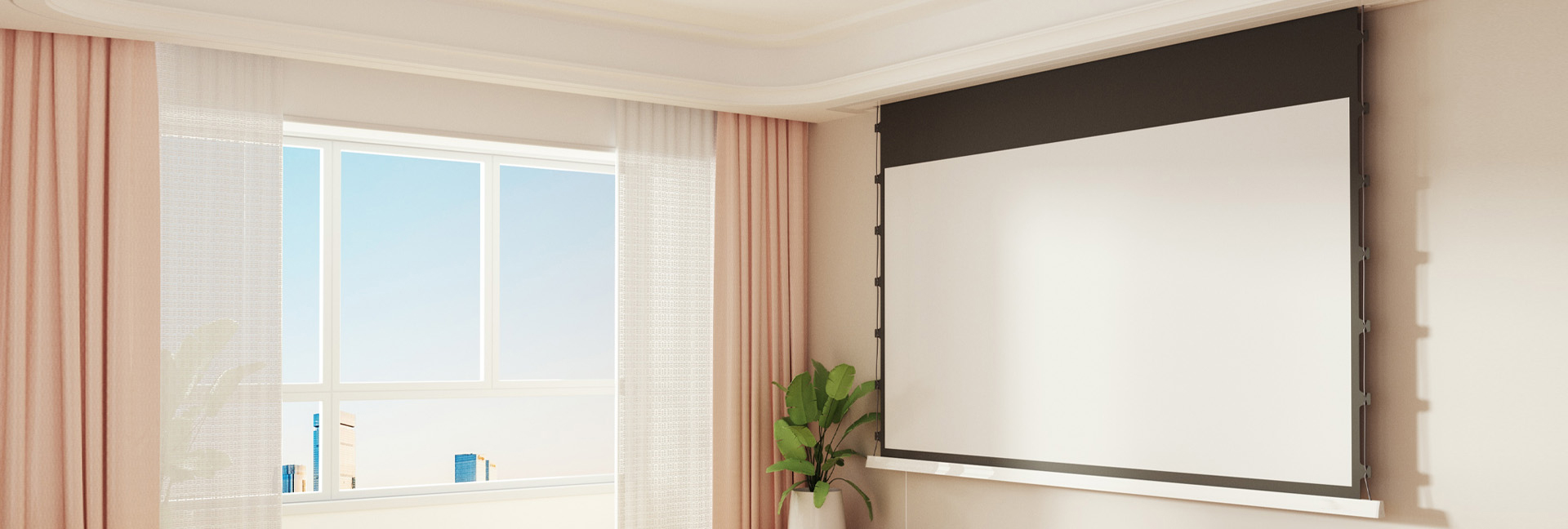
Whether a triangular support screen is compatible with all mounting brackets is a concern for many users when purchasing display devices. To accurately answer this question, an analysis from multiple dimensions is needed, including structural design, installation standards, stress distribution, and application scenarios.
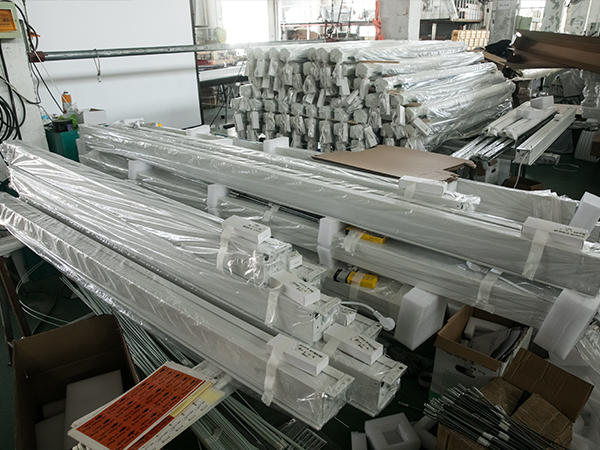
First, from a structural perspective, the core feature of a triangular support screen is its three-point stress-bearing structure at the back or bottom. The triangular structure offers stability advantages in engineering mechanics, distributing gravity and reducing localized stress concentration. However, this structure often alters the layout of the mounting area on the back of the product, such as the location of screw holes, the distribution of stress points, and the base connection method. If the triangular support screen uses a standard mounting hole spacing design, such as a hole structure conforming to VESA specifications, then theoretically it can be matched with universal brackets compatible with that specification. If no standard holes are provided, and a dedicated support structure is used, then compatibility will be limited.
Second, the type of mounting bracket needs to be considered. Currently, the main mounting brackets on the market include wall mount brackets, desktop lift brackets, mobile cart brackets, and embedded structural brackets. Different types of brackets have different requirements for mounting interface forms, load-bearing capacity, and center of gravity distribution. For example, wall-mounted brackets typically rely on standard mounting holes and even force distribution, while triangular support screens with a shifted center of gravity or irregular back structure may require additional conversion parts for stable installation. Desktop brackets focus more on the bottom connection method; if the screen was originally designed with a built-in triangular base, whether the installation interface is retained after disassembly is a key factor affecting compatibility.
Third, from a stress and safety perspective, triangular support structures often emphasize bottom stability, but when modified for wall or hanging installation, the direction of force changes. If the product design phase did not consider multiple installation methods, it may not meet the fixation requirements of some brackets. Therefore, in actual use, the product manual should be consulted to confirm whether the original support structure can be disassembled and whether standardized mounting holes are provided. At the same time, the weight of the screen should be checked to ensure it matches the rated load-bearing parameters of the bracket.
Furthermore, the actual application scenario must be considered. For example, in conference rooms, exhibition halls, or home environments, different installation space conditions require different requirements for the bracket's adjustment angle, extension range, and installation height. If a triangular support screen is positioned as a fixed-placement product, it may not have been structurally optimized for multi-scenario installation.
In summary, triangular support screens are not necessarily compatible with all mounting brackets. Compatibility depends on several key factors: whether they have standardized mounting holes, whether they support the disassembly of existing support structures, whether the screen's weight and center of gravity distribution are compatible with the bracket design, and the bracket's specifications. It is recommended to clarify the product's technical specifications before purchasing and compare them with the bracket model. If necessary, consult the manufacturer for compatibility solutions to ensure a safe and reliable installation process.
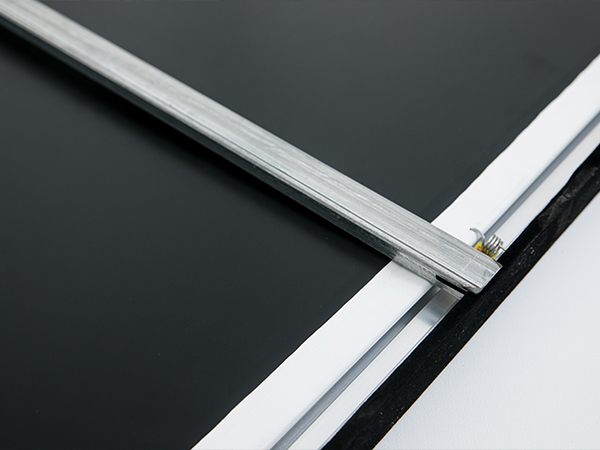
By rationally analyzing the structural design and installation standards, the compatibility range of triangular support screens can be more clearly determined, thus avoiding usage problems caused by interface incompatibility or unreasonable force distribution.