
In a quiet corner of every home, memories are always waiting to be seen. They live on shelves, walls, phones, and clouds—sometimes framed in wood and glass, sometimes glowing behind a screen. The story of memory today is a love story between the picture frame and the screen, two very different ways of holding on to what matters most.
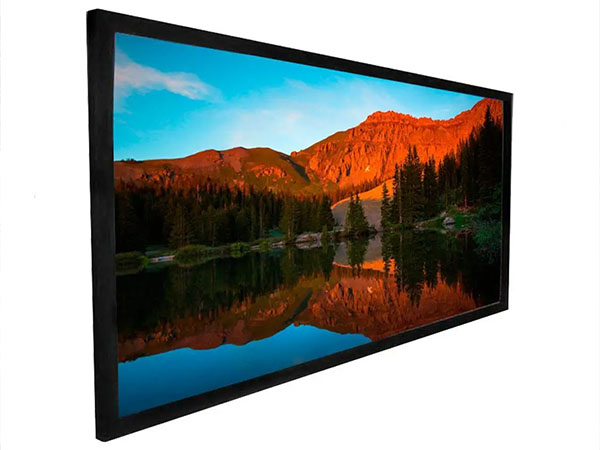
The Picture Frame: Memory You Can Touch
A picture frame is patient.
It doesn’t buzz, update, or disappear behind notifications. It stays exactly where you put it, holding a single moment with quiet devotion. A wedding smile. A childhood summer. A handwritten note tucked behind the photo, only known to you.
Frames turn memories into part of a space. They grow old with the house. Corners soften, colors fade slightly, and that aging becomes part of the story. A framed photo doesn’t ask for attention—it earns it, slowly, every time your eyes pass by.
There is also intention in a frame. Choosing one photo out of thousands is an act of love. It says: this moment deserves permanence. In a world obsessed with speed, the frame insists on stillness.
The Screen: Memory That Lives and Breathes
The screen, on the other hand, is alive.
It holds thousands of moments at once—laughing videos, blurry snapshots, voice notes, messages sent too late at night. It remembers everything, even what you forgot you captured. With a swipe, you can travel years back in seconds.
Screens give memory movement. A photo becomes a slideshow. A moment becomes a story. A life becomes searchable. Distance collapses when a screen lights up with a face you miss.
And while screens are often blamed for making memories feel fleeting, they also protect them. They back them up, duplicate them, send them across oceans. They make sure memories survive time, accidents, and loss.
Not Rivals, but Partners
It’s tempting to see picture frames and screens as opposites—old versus new, physical versus digital. But they are not rivals. They are partners in love.
The screen is where memories are born. The frame is where they come to rest.
A photo taken on a phone becomes meaningful when it earns a place on the wall. A framed picture becomes richer when you can still scroll through the full story behind it—the outtakes, the laughter before and after the click.
Together, they mirror how we remember as humans: constantly moving forward, yet longing to hold on.
Curating a Life, Not Just Images
The real challenge today isn’t choosing between frame or screen. It’s learning how to curate.
What do we let float endlessly in digital space, and what do we anchor in our physical world? What moments deserve a frame because they define us? What memories are meant to live lightly, revisited only when curiosity strikes?
Curating memories is an emotional practice. It asks us to slow down, reflect, and decide what truly matters. In doing so, both frame and screen become tools of meaning—not clutter.
A Love Story That Continues
As technology evolves, frames are becoming digital and screens are learning to be still. The line between them blurs, but the purpose remains the same: to help us remember who we are, who we love, and where we’ve been.
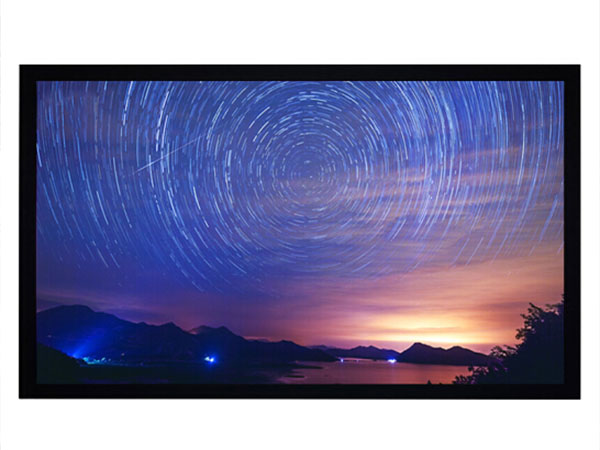
In the end, memory itself is the love story.
The picture frame whispers, “Stay.”
The screen replies, “Remember everything.”
And between the two, our lives are gently, beautifully preserved.